


Initial formation of Cambodia's economic vision: grand blueprint for economic diversification
Cambodia has become one of the most attractive investment destinations in the world. In fact, it is rapidly becoming the focus of global investors. With the continuous improvement of Cambodia's investment environment, it has attracted more and more foreign direct investment, making it a popular investment choice. Currently, Cambodia is in a critical period of economic transformation, and the government is actively adjusting policies aimed at maintaining economic growth momentum and facing various external challenges.
The government's attitude towards economic diversification, infrastructure construction and digital innovation, as well as regulatory reform and skills development, is crucial for creating a strong and resilient investment environment in the country, which will determine Cambodia's economic trajectory.
According to the latest report of the Cambodian Development Council, Cambodia has attracted 315 fixed assets investment projects in the first nine months of 2024, with a value scale of 5.28 billion US dollars, highlighting the country's continued attraction to investors, especially in labor-intensive industries and infrastructure construction.
Key industries such as clothing, footwear, and travel goods remain important contributors to Cambodia's economy, consolidating Cambodia's position as one of the global production centers in these areas. The entry of industries such as hotel development, hydropower stations, freshwater ports, solar power plants, and special economic zones reflects Cambodia's diversified strategy of promoting economic growth and strengthening infrastructure.
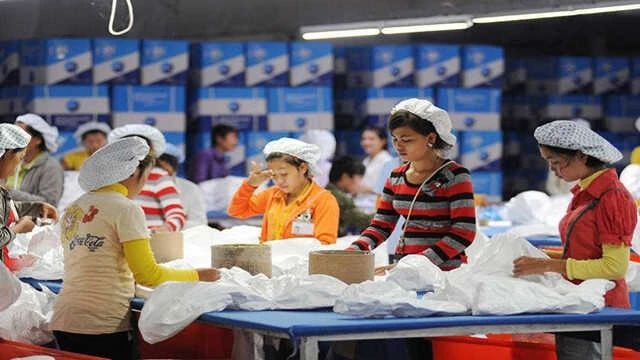
The 250000 job opportunities created by the manufacturing industry have also strengthened the country's commitment to providing employment. The Cambodian Ministry of Labor and Vocational Training recently raised the minimum wage for the clothing, footwear, and travel goods industries to $208 per month, which will increase by $4 by 2025, greatly promoting employment in the country.
In terms of trade, Cambodia's export structure has changed, with both products and trading partners undergoing changes. Although textiles remain the main export product, the industry's share in total exports has decreased from 70% in 2011-2015 to 40% in 2020-2023.
In the past decade, Cambodia has begun to shift towards new export products such as machinery, plastics, rubber, and plant-based products. Cambodia is also expanding its market from the United States, European Union, and China to ASEAN to achieve market diversification. Not long ago, Hun Manet also proposed five strategies to help Cambodia achieve its goals, including diversifying agricultural exports, expanding overseas market access, developing interconnected infrastructure, implementing digital transformation, and preparing for graduation from least developed country status.
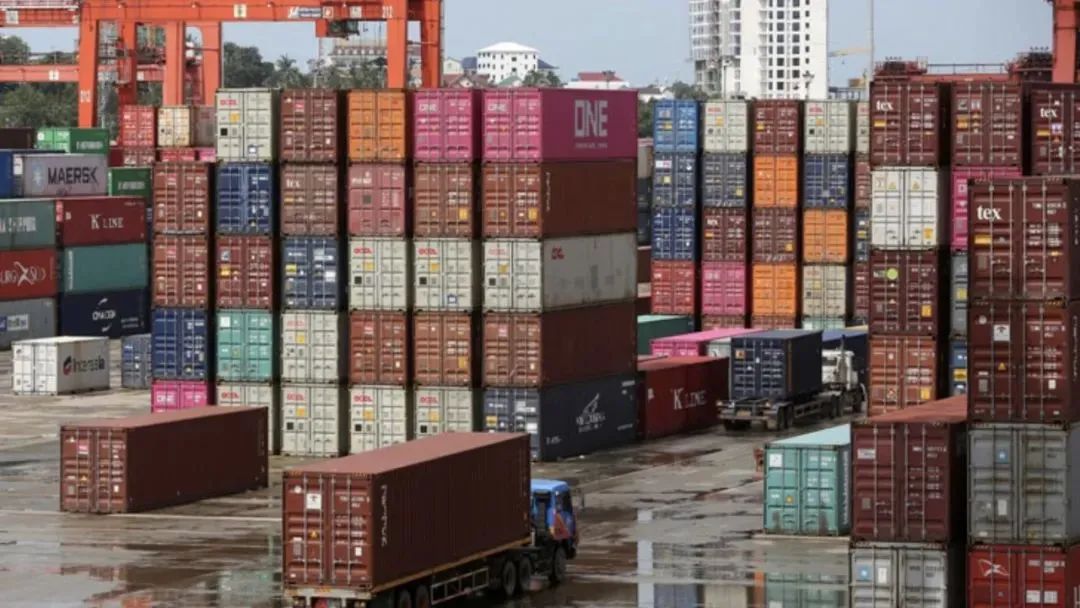
Thomas Schings, General Manager of RGX Digital Asset Exchange, commented on Cambodia's investment and trade environment, saying, "Cambodia's investment and trade environment has enormous potential, especially in areas such as energy, healthcare, food processing, manufacturing, and digitalization of various sectors of the economy. The government has made significant progress in improving infrastructure and regulatory frameworks, which is also conducive to such investments
He said in a media interview, "Looking ahead, Cambodia faces some exciting challenges while also bringing opportunities for improvement. For example, improving the regulatory environment can create a more seamless experience for investors, thereby creating a more attractive business environment. By investing in education and vocational training, the government can cultivate a skilled workforce to meet the rapidly developing economic needs
In addition, strengthening environmental regulations not only contributes to sustainable development, but also enhances Cambodia's reputation as a responsible investment destination. Thomas Schings added that continuing to invest in infrastructure, especially transportation and energy, will further drive the country's growth trajectory and promote trade. "Although progress has been made in infrastructure construction, further investment in transportation and energy is crucial to supporting sustained economic growth
Anthony Galliano, CEO of Cambodia Investment Management Holdings (CIM) Group, said, "Cambodia's trade and foreign direct investment with China are a large part of its economic growth, and its export relations with the United States and the European Union have also played a role in promoting it. China has always been Cambodia's largest investor, and the United States is Cambodia's largest export market. Currently, Cambodia's exports to the US market account for nearly 40% of its total exports. Most of the raw materials for these exports are imported from China.
The world has undergone historic changes, with more countries inclined to attract foreign investment and establish new, stronger trade alliances. This is a safer and more diversified supply chain, typically involving reducing risks from China, reducing dependence on a single supplier, and preventing potential economic or geopolitical events. One approach is to adopt a 'China+1' diversification strategy, where India, Indonesia, Thailand, and Vietnam will gain manufacturing share from China and become beneficiaries in the region, "said Anthony Galliano.
He added that in order to fully utilize this transformation opportunity, a country must be committed to enhancing its manufacturing capabilities and have a sound infrastructure and logistics system to support efficient and low-cost transportation of goods. In addition, it is necessary to have sufficient market size, reasonable wage levels, tax incentives, as well as competitive tariffs, consumption taxes, and electricity costs. These factors work together to gain an advantage in global competition.
The economic concentration issues in imports, exports, and foreign direct investment are being resolved, and efforts to diversify trade and investment relationships are receiving the attention and effort they deserve. Anthony Galliano stated that in this rapidly changing world, geopolitics and friendship are key factors in investment and trade, with high concentration risk and diversification being the best risk mitigation strategy.
[Disclaimer] The content is reproduced from the Mekong Focus APP. If copyright infringement occurs, please proactively contact this platform and provide relevant written evidence. This platform will correct the source and author or delete the article within 24 hours based on the opinions of the copyright owner, and will not assume any other responsibility.
* Some documents are sourced from the internet. If there is any infringement, please contact the website to delete them
- ● 聚焦用工保障,聚力企业发展——专题工作会议顺利召开[2026-06-11]
- ● Official heavy reshuffle! Cambodia investment avoi[2026-06-11]
- ● Compete with the rainy season and tackle practical[2026-06-02]
- ● Save time, effort, and money | The official docume[2026-05-22]
- ● Build defense through practice and provide safe es[2026-05-20]
- ● Zhejiang Special Economic Zone Debuts at the 2026 [2026-05-13]
- ● We are serious about ensuring employment! ——Specia[2026-05-08]
- ● The 2026 Carson International Annual Conference wa[2026-01-29]
- ● The first "Wisdom Power Cup" welcome run[2026-01-09]
- ● "Unleash Full Potential, Usher in a New Era&q[2026-01-05]