


US imposes 10% tariff to drive Chinese companies to seize Southeast Asia
On February 1st, the United States announced a tariff adjustment policy, imposing a 10% tariff on goods imported from China and an additional 25% tariff on goods imported from Canada and Mexico. This series of policies will undoubtedly have an impact on the global supply chain, and the export strategies of Chinese companies will also be significantly affected. With the continuous increase of tariffs on Chinese goods by the United States, the pace of Chinese companies shifting to Southeast Asian markets will continue to accelerate, and the trend of Southeast Asia becoming a new investment and production base for Chinese companies will become increasingly significant.
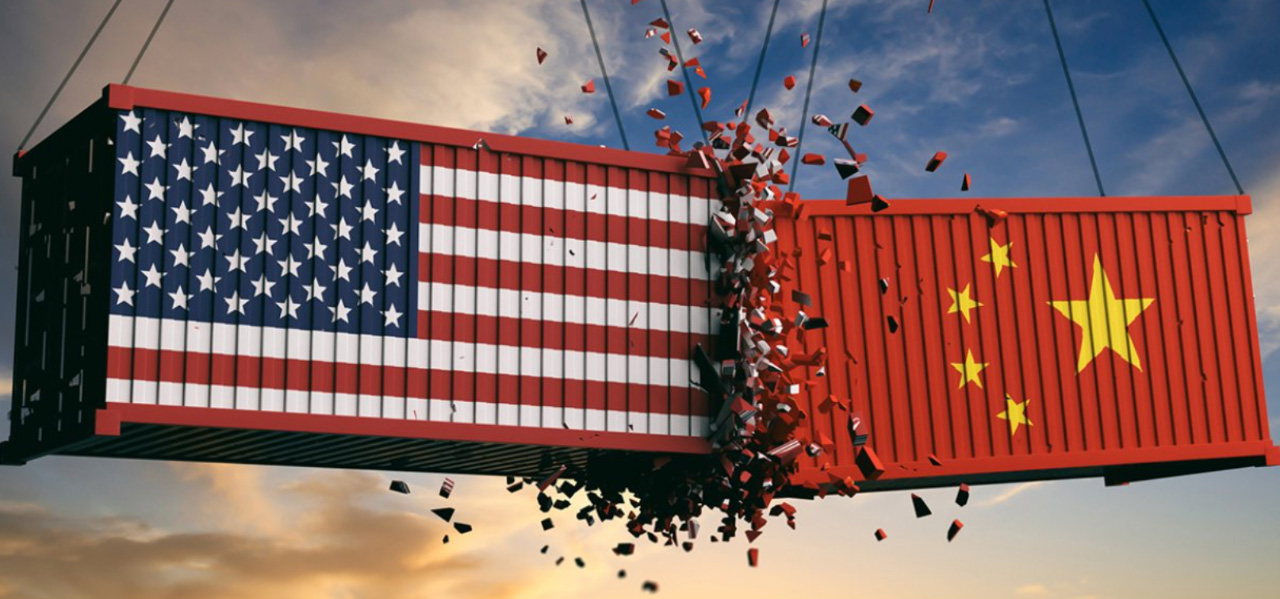
Image source: BBC
Tariff Policy and Enterprises Going Global
From an economic perspective, tariffs are trade barriers that directly raise the prices of imported goods and increase the costs for exporters. The imposition of tariffs by the United States has led to a significant increase in cost pressure for Chinese companies exporting to the US market. In order to reduce costs and maintain price competitiveness, many companies are considering relocating their production bases to areas with lower tariffs. Southeast Asia, with its geographical advantages and low labor costs, has become the first choice.
Cost transfer effect: According to the theory of cost transfer effect, when a country imposes import tariffs, the import cost of goods increases, the target market price increases, and the price competitiveness of enterprises is affected. The United States has imposed tariffs on Chinese goods, causing Chinese companies to incur higher costs in the US market and threatening their price competitiveness in areas such as raw materials and consumer goods. In order to maintain profits and market share, the company has shifted its production base to Southeast Asia, avoiding tariff burdens, reducing production costs, and enhancing competitiveness.
Market diversification demand: Changes in tariff policies have prompted companies to seek market diversification and reduce their dependence on external policies. When the uncertainty of tariff policies in a certain market increases, enterprises actively explore other markets to reduce the risk of a single market. Southeast Asia, with its geographical advantage of being close to China, low labor costs, and growing market demand, has become an ideal choice for Chinese companies to expand their overseas markets. This is both a transfer destination for production bases and an emerging consumer market. Setting up factories in Southeast Asia can not only reduce the impact of US tariffs on costs, but also enter the vast Southeast Asian market.
Image source: Network
Current situation of Chinese enterprises investing in Southeast Asia
Investment scale and growth: According to the data of China's foreign direct investment (FDI) in ASEAN in 2024, the growth of Chinese capital in ASEAN manufacturing industry is significant, which reflects the trend of Chinese enterprises accelerating the transfer of production bases to Southeast Asia, especially in countries with competitive labor costs and production efficiency.
Southeast Asia, as a key hub for global manufacturing, is particularly favored by Chinese companies, and this trend is expected to further strengthen in the future, especially in trade and manufacturing. The Southeast Asian market has become an important battlefield for Chinese companies to transfer production and expand their markets.
Main investment areas: Chinese companies' investments in Southeast Asia are mainly concentrated in industries such as electronics, home appliances, machinery manufacturing, and automotive parts. For example, countries such as Cambodia and Thailand have attracted a large amount of investment from Chinese companies, promoting the development of local manufacturing industries. These industries not only cover traditional labor-intensive manufacturing, but also include some high-tech industries such as the production of electronic products and precision machining. The relatively low labor costs, policy support, and gradually improving infrastructure in Southeast Asia make these countries ideal choices for Chinese companies to expand their production lines and supply chains.
Investment destinations: Different countries in Southeast Asia have attracted investment from Chinese companies due to their unique advantages. Cambodia has become a hot investment spot for Chinese enterprises, especially in the manufacturing sector, thanks to its open policy towards foreign investment and lower labor costs.
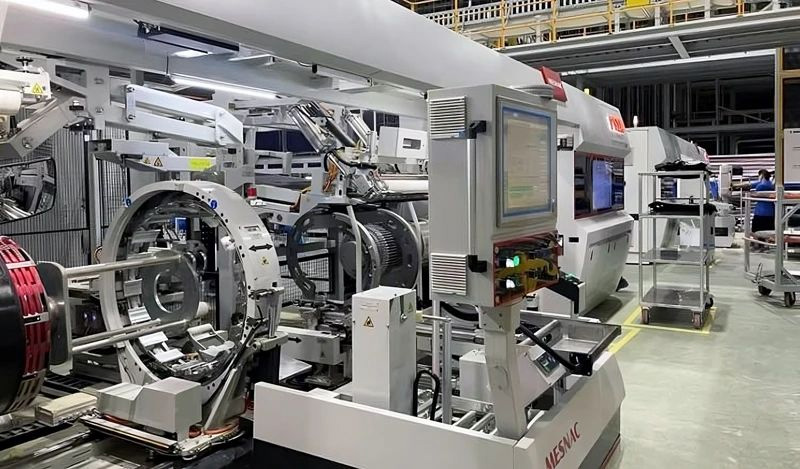
Image source: Network
The application of economic principles helps break through
Substitution effect driven: The imposition of tariffs by the United States has impacted the price competitiveness of Chinese companies and posed a risk of decline. According to the principle of substitution effect in economics, when existing production models or markets encounter obstacles, enterprises tend to choose alternative markets with lower costs and no similar obstacles. Transferring production bases to Southeast Asia is a wise move for Chinese companies. This can not only avoid the high tariffs imposed by the United States, but also leverage the low labor costs in Southeast Asia, as well as policy benefits such as tariff reductions brought about by free trade agreements. More importantly, the Southeast Asian market can be regarded as a "natural" alternative for Chinese companies, meeting the needs of global supply chain layout.
Empowering RCEP Agreement: Many Southeast Asian countries have joined the Regional Comprehensive Economic Partnership (RCEP) agreement. This agreement has achieved significant results in promoting regional economic integration and reducing tariff barriers. Chinese enterprises participating in RCEP can not only enjoy tariff preferences provided by the Southeast Asian market, but also optimize their production and supply chain layout by leveraging the increasingly improved infrastructure construction in the region. The labor costs in Southeast Asia are relatively low, infrastructure is gradually improving, and multiple countries have signed free trade agreements, making Southeast Asia's position in the global manufacturing layout increasingly important.
External effects and economies of scale synergy: With a large number of Chinese companies entering Southeast Asia, the region gradually forms economies of scale and industrial agglomeration effects. For example, the investment of Chinese enterprises in a certain field has driven the development of related industries in the local area, facilitated industrial chain cooperation and technological accumulation. This external effect not only helps enterprises reduce production costs, but also enhances local market competitiveness and industrial level, further promoting regional economic growth.

Image source: Network
The imposition of tariffs by the United States has increased the export costs for Chinese companies, forcing them to seek diversification in overseas markets. The huge potential of Southeast Asia has become a focus of attention. Its diverse market, policy support, and well-developed infrastructure continue to attract investment from Chinese enterprises.
However, when investing, enterprises need to pay attention to policy changes, market demand, and fierce competition in various countries, and flexibly adjust their strategies to adapt to complex trade environments and regional market changes.
With the acceleration of investment, Chinese enterprises are expected to form new advantages in Southeast Asia through cross-border cooperation, industrial clusters, etc. Southeast Asia will undoubtedly become an important strategic choice for Chinese enterprises to go global, cope with trade barriers, and reduce costs to expand.
* Some documents are sourced from the internet. If there is any infringement, please contact the website to delete them
- ● 聚焦用工保障,聚力企业发展——专题工作会议顺利召开[2026-06-11]
- ● Official heavy reshuffle! Cambodia investment avoi[2026-06-11]
- ● Compete with the rainy season and tackle practical[2026-06-02]
- ● Save time, effort, and money | The official docume[2026-05-22]
- ● Build defense through practice and provide safe es[2026-05-20]
- ● Zhejiang Special Economic Zone Debuts at the 2026 [2026-05-13]
- ● We are serious about ensuring employment! ——Specia[2026-05-08]
- ● The 2026 Carson International Annual Conference wa[2026-01-29]
- ● The first "Wisdom Power Cup" welcome run[2026-01-09]
- ● "Unleash Full Potential, Usher in a New Era&q[2026-01-05]