


The United States has decided to double its tariffs on China! How can Chinese enterprises break through the situation
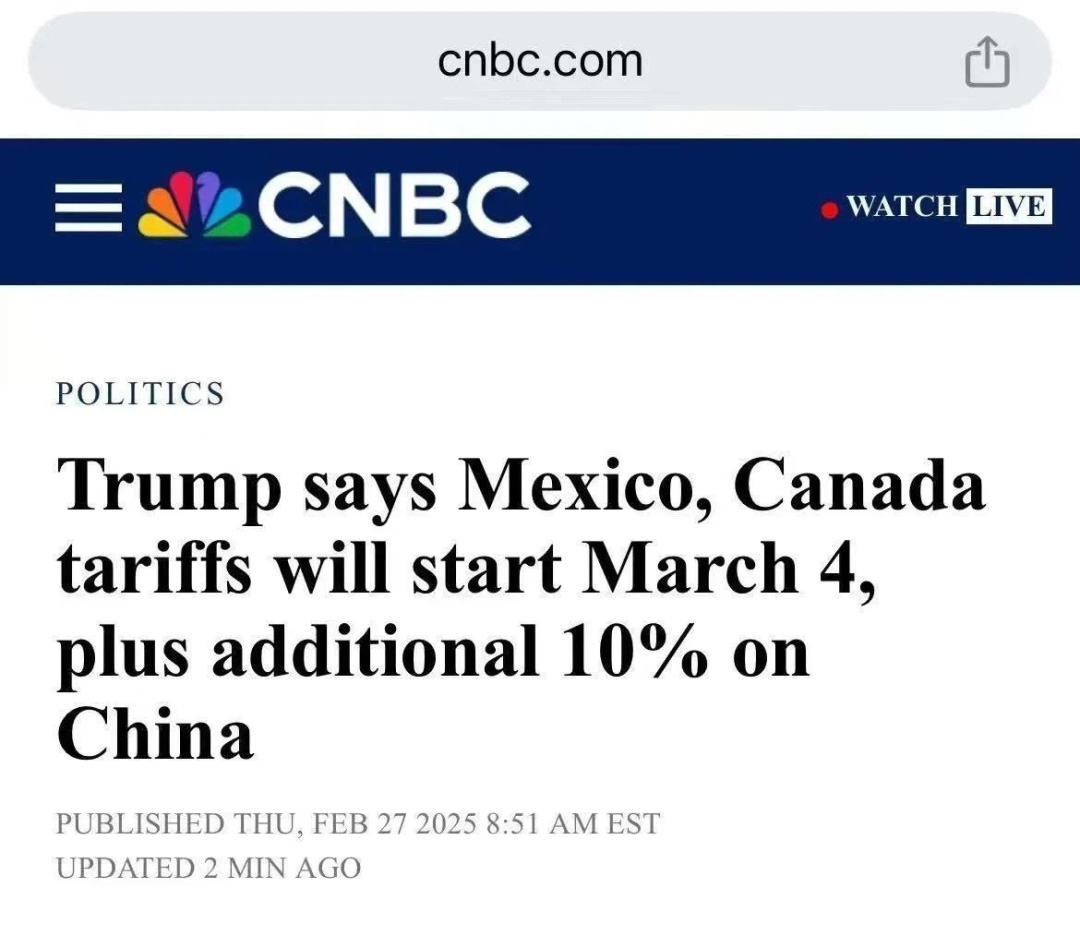
On February 27th, US President Trump announced an additional 10% tariff on Chinese goods, adding another 10% on top of the 10% imposed on February 1st, bringing the total tariff on Chinese goods to 20%.
Trump's Tariff Deal:
On February 1st, a 10% tariff will be imposed on goods imported from China, while an additional 25% tariff will be imposed on imported products from Canada and Mexico, and a 10% tariff will be imposed on energy resources from Canada.
On February 3rd, Trump announced a 30 day suspension of tariffs on Mexico and Canada in exchange for cooperation on border security and fentanyl issues.
On February 9th, Trump announced a 25% tariff on all steel and aluminum products entering the United States from around the world, mainly targeting major steel and aluminum exporting countries such as Canada, Brazil, and Mexico.
On February 26th, Trump announced that he would impose a 25% tariff on the European Union, covering cars and other goods, citing the EU as "taking advantage of the United States" and stating that the EU was established "to mess up the United States".
On February 27th, Trump announced that the previously suspended 25% tariff policy on Mexico and Canada would officially come into effect, and an additional 10% would be imposed on Chinese goods, bringing the total tariff on Chinese goods to 20%.
In addition, Trump also plans to implement a "reciprocal tariff" policy, imposing equal tariffs on countries with tariff deficits with the United States. The priority targets include countries and regions with large trade deficits such as China, India, and the European Union, and the plan is expected to be launched in April 2025.

In recent years, the United States has imposed high tariffs on Chinese enterprises, significantly increasing costs and weakening product competitiveness, resulting in a sharp decline in orders and revenue for many companies. In this predicament, Southeast Asia has become the preferred location for Chinese enterprises to expand their presence.
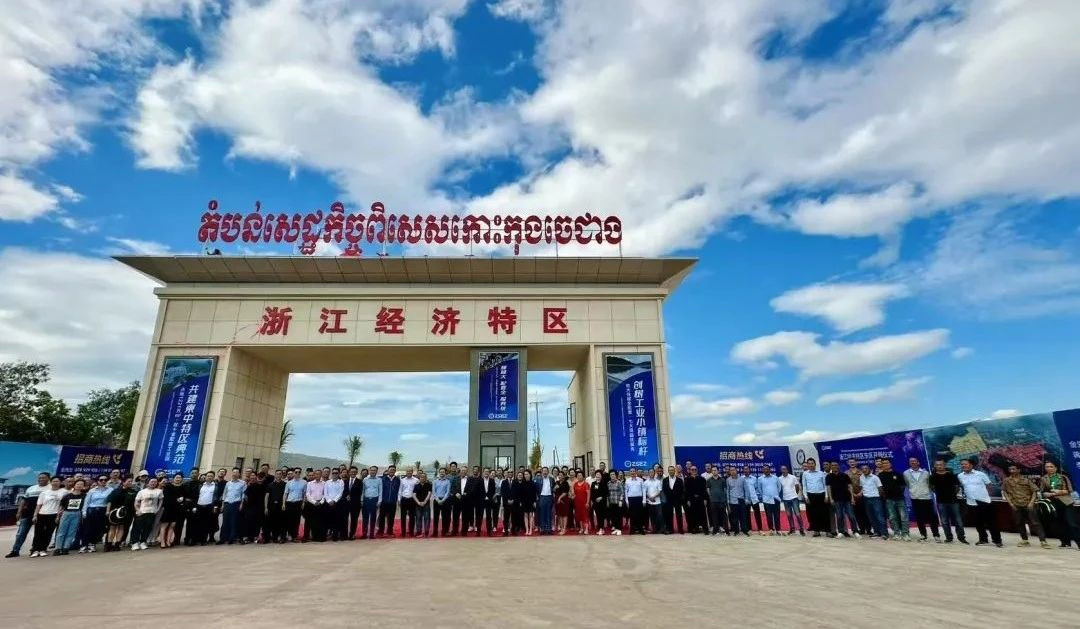
Chinese enterprises have laid out in Southeast Asia, successfully avoiding the impact of US tariffs and driving local industrial development and employment, forming an industrial agglomeration effect. In the future, as the layout continues to deepen, Chinese enterprises are expected to build a more stable and diversified global industrial chain, take the initiative in the complex international trade environment, and achieve sustainable development.
* Some documents are sourced from the internet. If there is any infringement, please contact the website to delete them
- ● 聚焦用工保障,聚力企业发展——专题工作会议顺利召开[2026-06-11]
- ● Official heavy reshuffle! Cambodia investment avoi[2026-06-11]
- ● Compete with the rainy season and tackle practical[2026-06-02]
- ● Save time, effort, and money | The official docume[2026-05-22]
- ● Build defense through practice and provide safe es[2026-05-20]
- ● Zhejiang Special Economic Zone Debuts at the 2026 [2026-05-13]
- ● We are serious about ensuring employment! ——Specia[2026-05-08]
- ● The 2026 Carson International Annual Conference wa[2026-01-29]
- ● The first "Wisdom Power Cup" welcome run[2026-01-09]
- ● "Unleash Full Potential, Usher in a New Era&q[2026-01-05]